

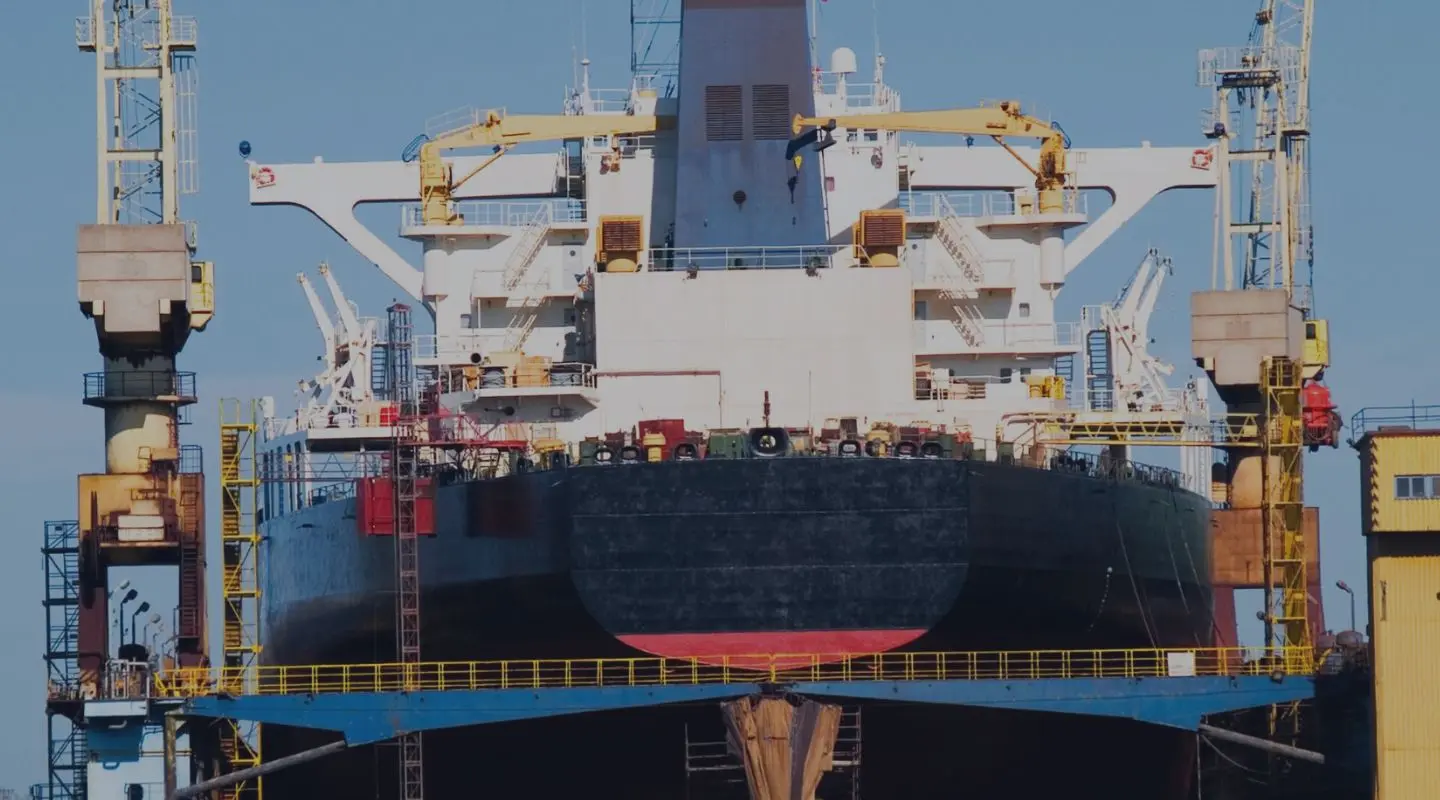
With over 40 years of experience in the design of offshore facilities in the oil and gas sector, we offer our expertise to oil and gas companies and shipbuilders to support them through every phase of their project’s development. Whether the structures are floating (production vessels) or fixed (platforms), surface installations—also known as “TOPSIDES”—form the heart of the oil or gas facility.
Your Needs
Oil companies and contractors require drawings, calculations, specifications, data sheets, and 3D models that comprehensively and accurately define these complex structures so that all components can be procured and assembled.
Working on a scaled 3D digital model allows our clients to visualize their future facility and its operations, as well as to prefabricate as much as possible to reduce on-site construction time.
Surface Facilities / Topsides
These primarily contain the “process” systems that will treat the effluents so they become usable for subsequent phases of their utilization—namely the separation of oil, gas, and water, their treatment, compression, storage, and export—as well as all ancillary systems known as utilities, such as power generation, heat and cooling, the dosing of chemicals required for their use or discharge, the flare that ensures the facility’s safety, and the living quarters.
These “TOPSIDES” resemble a “gas plant”—a tangle of steel beams, equipment (such as pressure vessels or rotating machinery), piping, cable trays, technical rooms, and storage areas with their handling cranes.
They are complex structures weighing several thousand tons that require design work, with all engineering disciplines collaborating in an orderly and coordinated manner through an iterative process, while incorporating construction and installation expertise to ensure the project’s feasibility.
Our Expertise
We have all the necessary expertise—engineers and technicians—to produce all these documents, as well as to support contractors and clients on-site in their implementation. The disciplines involved are Project Management, Process Engineering, Plant Safety, Mechanical Engineering, General Installation and Piping, Structural Engineering, Electrical Engineering, Instrumentation, Control Systems, and HVAC.
Standards and Regulations
In most cases, they have their own technical guidelines to follow, dictating design rules; otherwise, they refer to international standards such as those of the American Petroleum Institute (API).